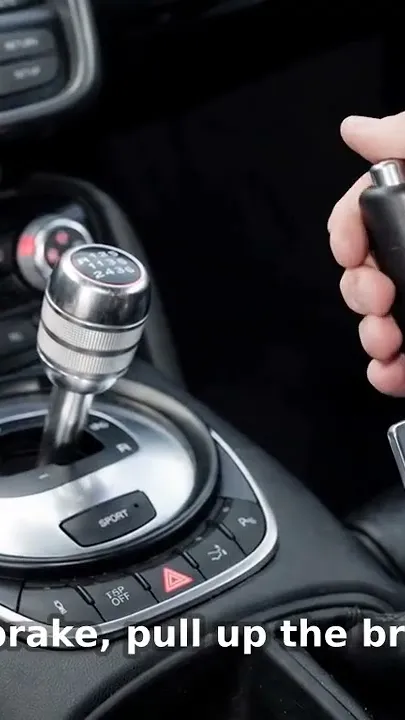
Audi R8 · 42 · YouTube · 0:54
Audi R8 (42) 2011: 5.2 FSI V10 split-crankpin firing
- 0-100 km/h
- 3.9 s0-60 mph ≈ 3.7 s
- Generation
- 42
- Engine
- 5.2 FSI V10
- Popular modifications
- Aftermarket exhaust or X-pipe, Twin-turbo kit
Audi R8 (42) from 2011 with West State Motorsport: how split crankpins give the 5.2 FSI V10 even firing and its high-pitched howl.
Clip by West State Motorsport ↗ on YouTube ·
Audi R8: mechanical breakdown
A 2011 R8 from West State Motorsport
The caption reads 2011 Audi R8, West State Motorsport, and that is all it gives. No parts, no work and no events are named in the 54 s clip. The car is a first-generation R8 with the 5.2 FSI V10 of 5204 cc, which is naturally aspirated across the range.
Split crankpins give the V10 even firing
The 5.2 FSI is a 90-degree V10, and the crankshaft is the part that decides how it sounds. Its crankpins are offset (split), which is how the engine reaches even firing. Ignition events then arrive at regular intervals, and that regularity is the reason for the smooth, high-pitched howl at high rpm instead of an uneven rumble. Aspiration matters too. At 5204 cc and naturally aspirated, there is no turbine in the exhaust to absorb part of each pulse, so the note reaches the tailpipes with its character intact. The sheet lists 518 hp and 530 Nm for the base car; the V10 plus and GT variants raise that to 542 hp and 552 hp.
Exhaust or X-pipe first, turbos later
Owners usually start at the exhaust. An aftermarket system or an X-pipe makes the V10 louder and more aggressive, and the price is drone at cruising speed and possible trouble with noise limits. Power is the other motive. A twin-turbo kit gives a very large increase over the stock 518 hp, but it costs far more than any exhaust and cuts into reliability on an engine that was designed to run naturally aspirated. Most cars stop at the exhaust.
Topics
More from the Audi R8 and all Audi clips, or hear other V10 engines.